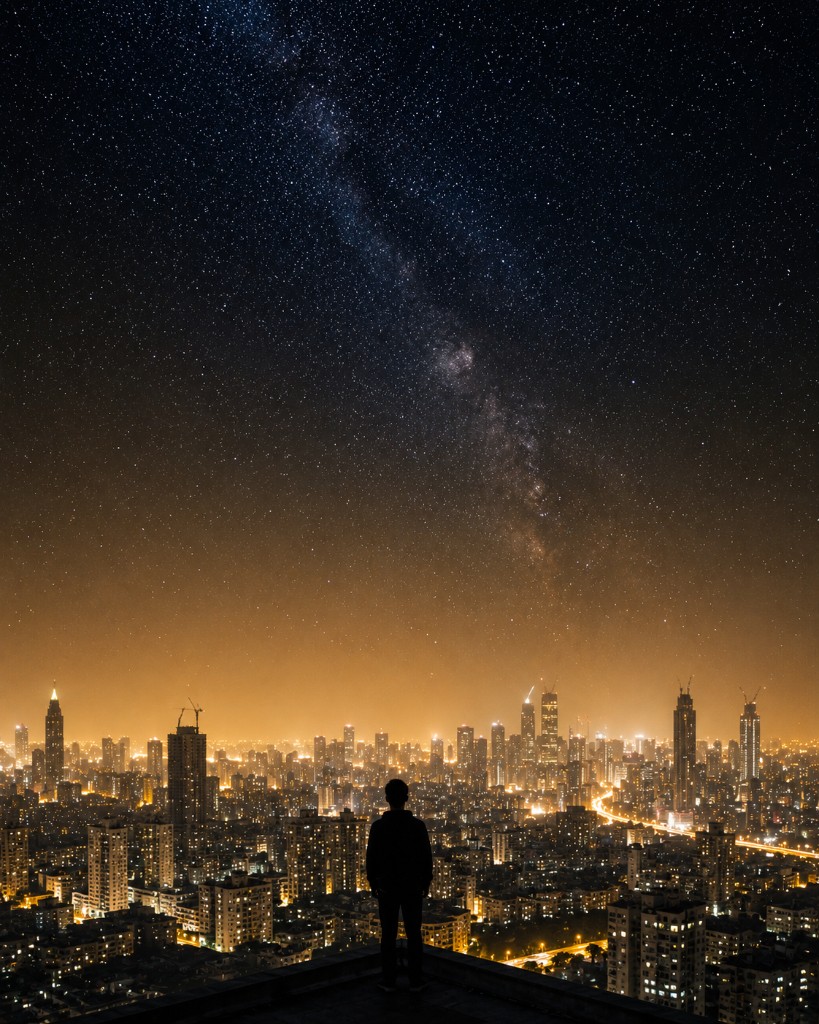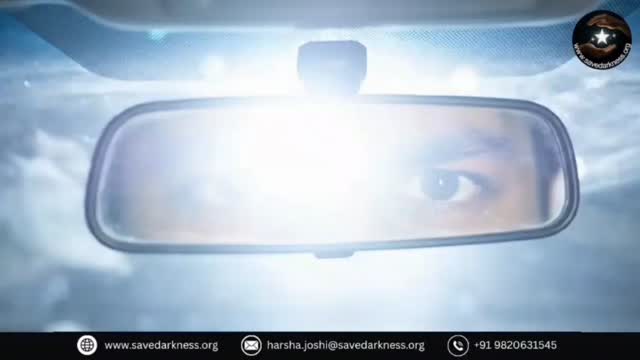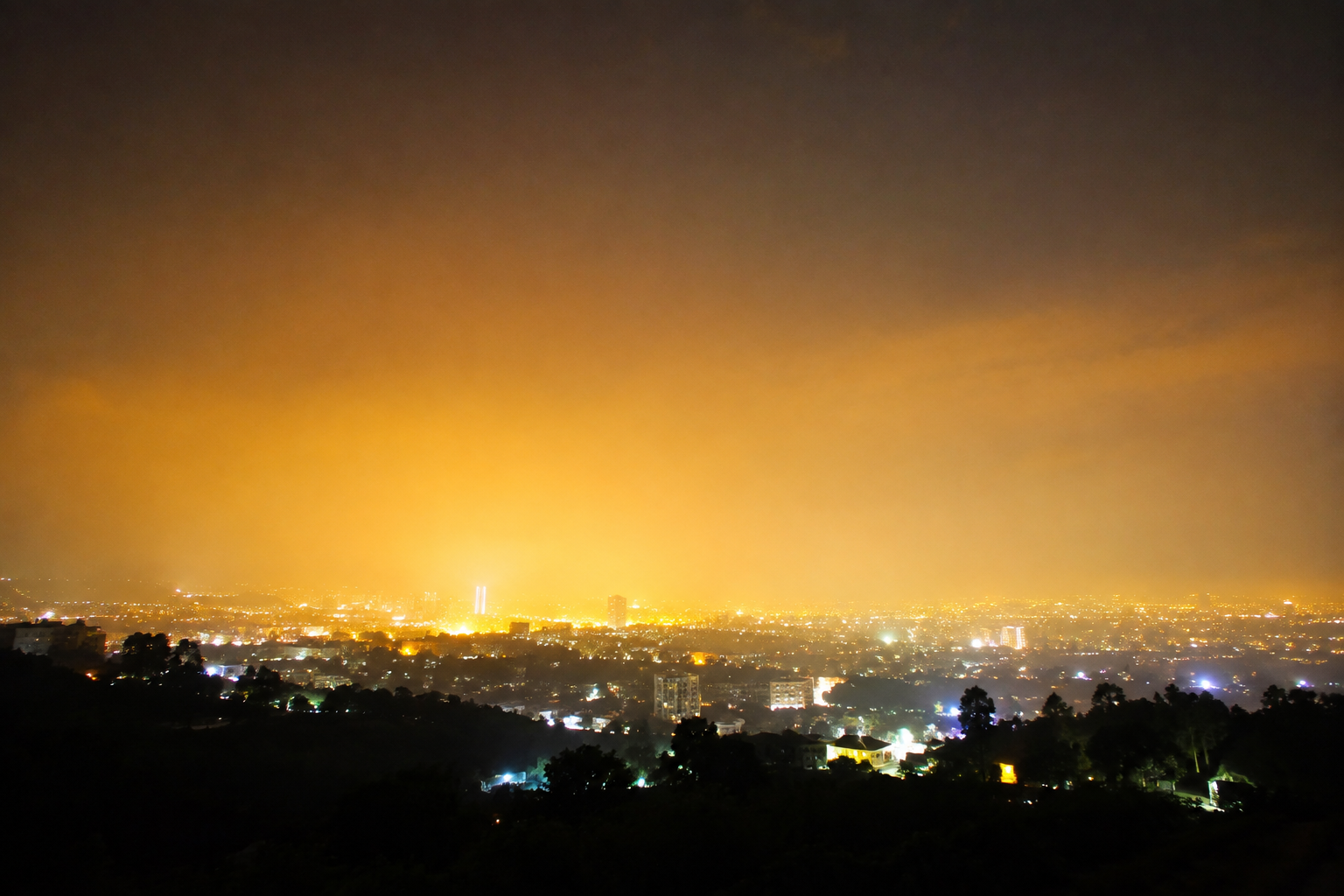
Skyglow
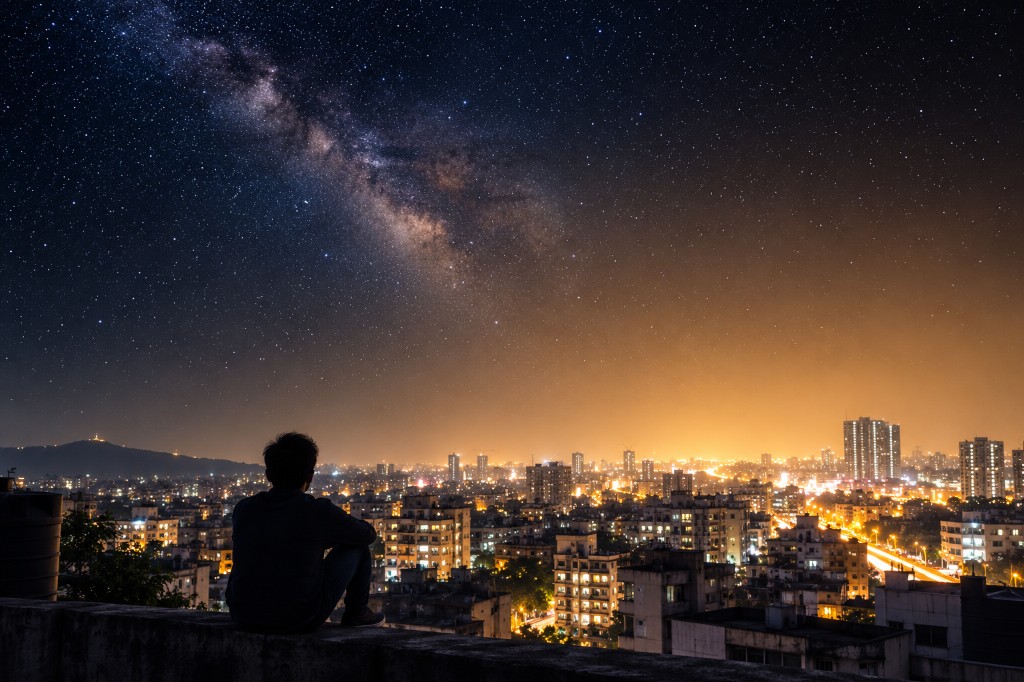
The bright haze over cities that washes out stars and turns night into a dull orange dome.
Save Darkness
An India-focused light pollution NGO working to protect natural darkness and the night sky.
Reduce light pollution through education, advocacy, and responsible lighting practices.
A future where every child in India can still look up and see the stars.
We advance our goals through partnerships with communities, researchers, and organizations.
Protect nocturnal species disrupted by unnecessary artificial light.
Restore natural darkness that supports healthy sleep and well-being.
Cut wasted energy from over-lighting and reduce related emissions.
Promote smarter outdoor lighting that saves power without losing safety.
A room caught between two worlds
India Night Sky · 2012–2026
Across 36 states & union territories, night-sky brightness has climbed by an average of +8.2% per year. Watch the line rise as artificial light spreads year by year.
Four ways artificial brightness steals the night
“Light pollution is when our artificial brightness goes beyond what the night was meant to hold.”
The bright haze over cities that washes out stars and turns night into a dull orange dome.
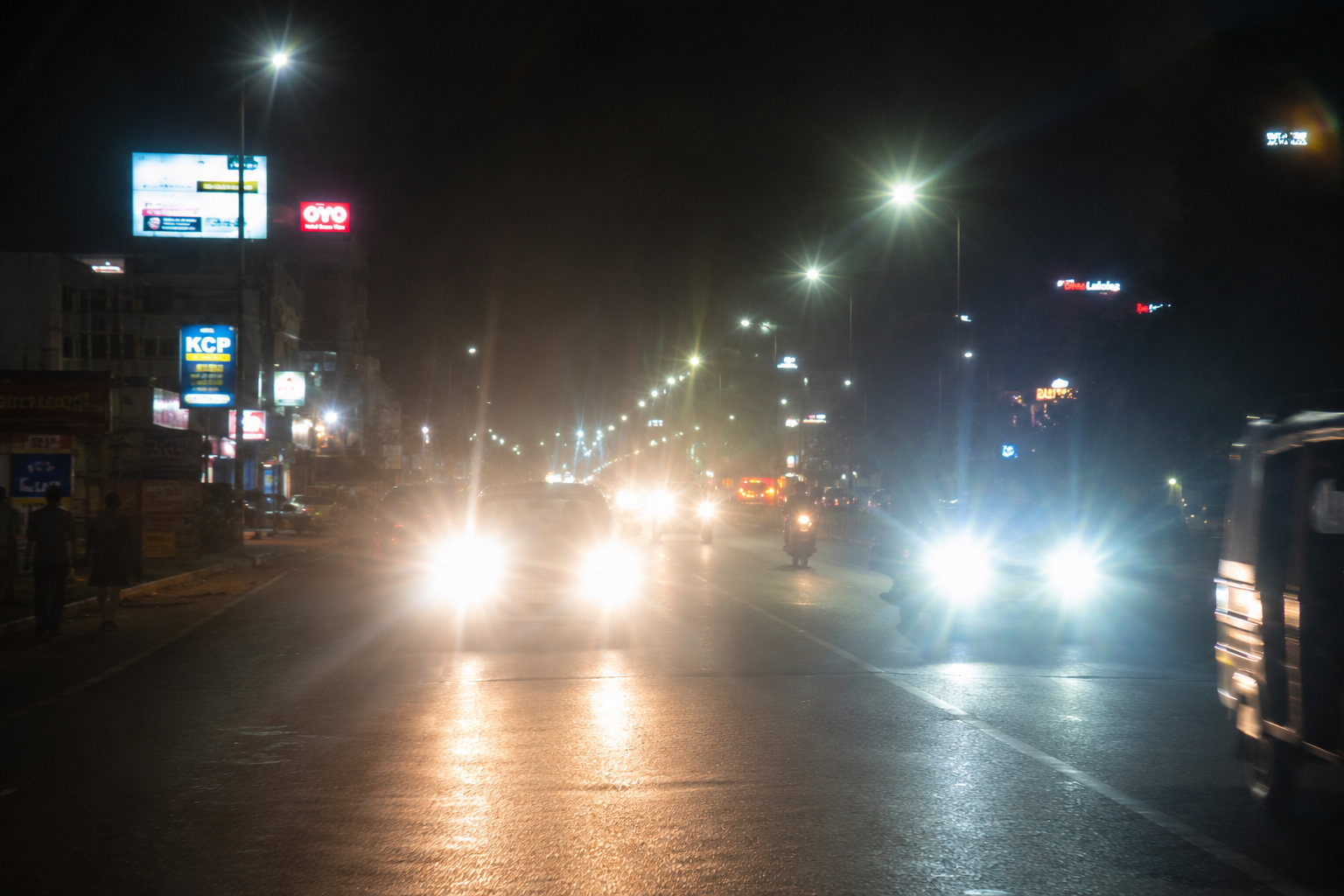
Excessive brightness that causes visual discomfort, blinds drivers, and reduces real safety.
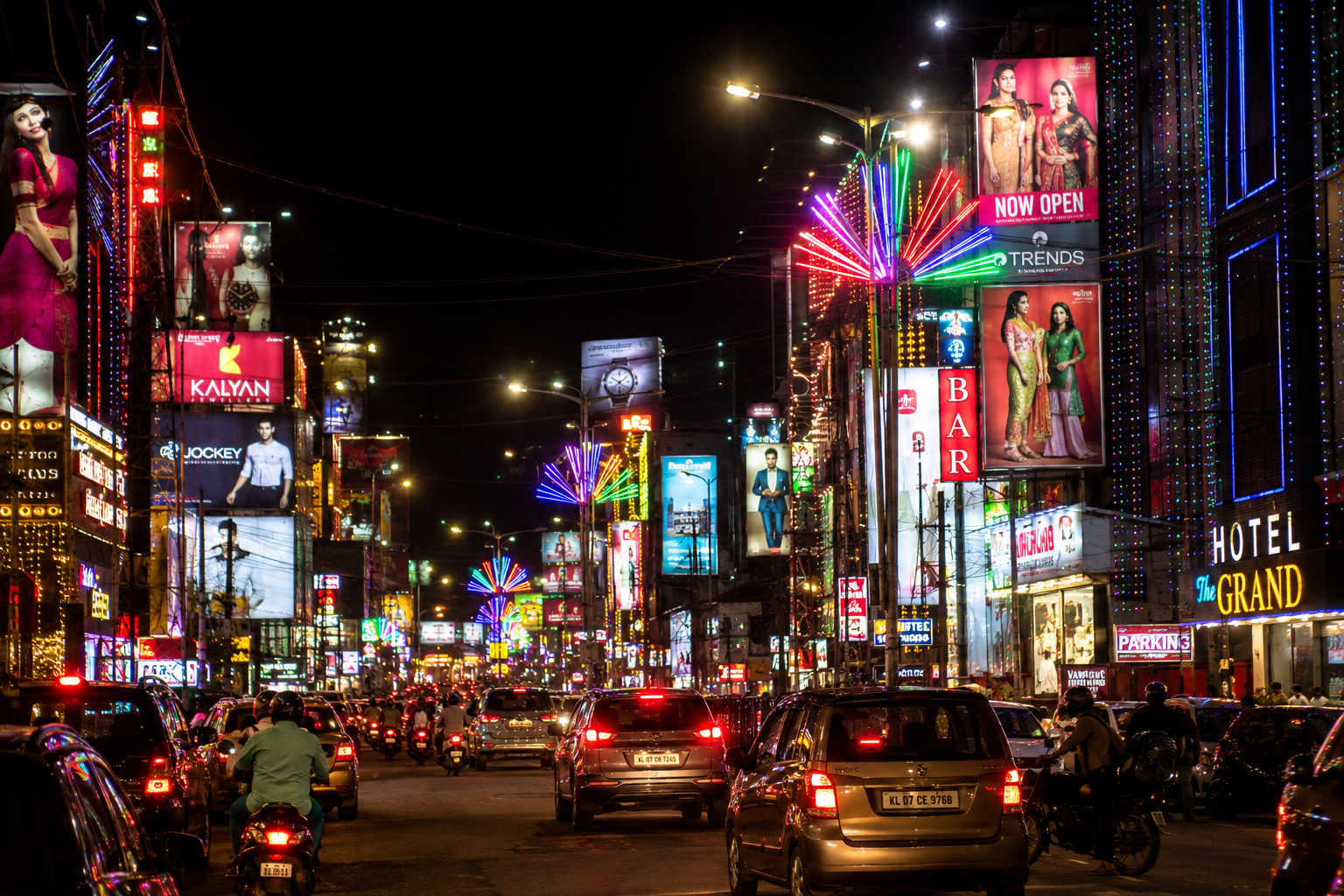
Confusing groupings of bright sources signs, floodlights, and fixtures competing for attention.
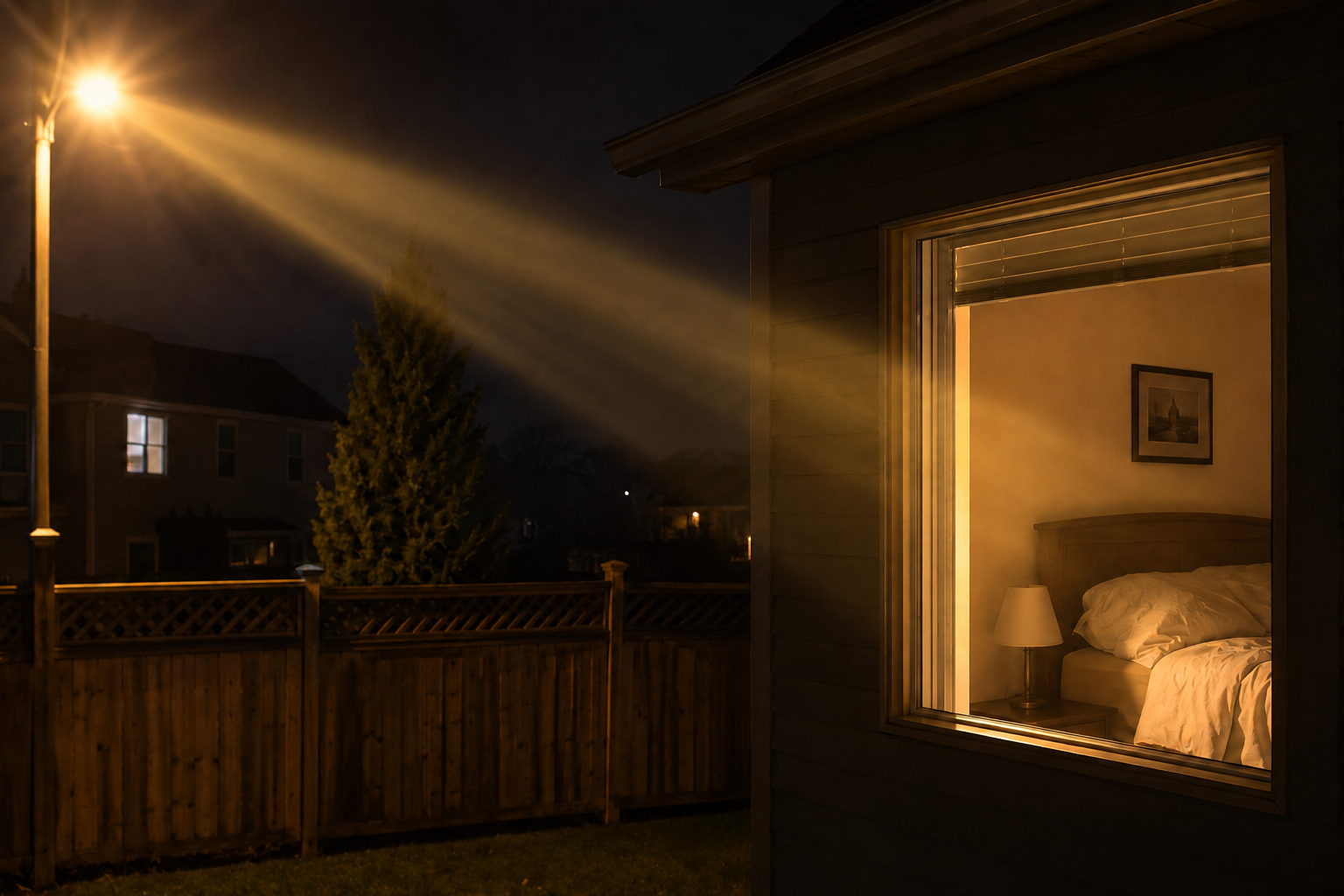
Unwanted light spilling into bedrooms, gardens, and places where it serves no purpose.
Real stories from beaches, skies, and city roads and why darkness still matters
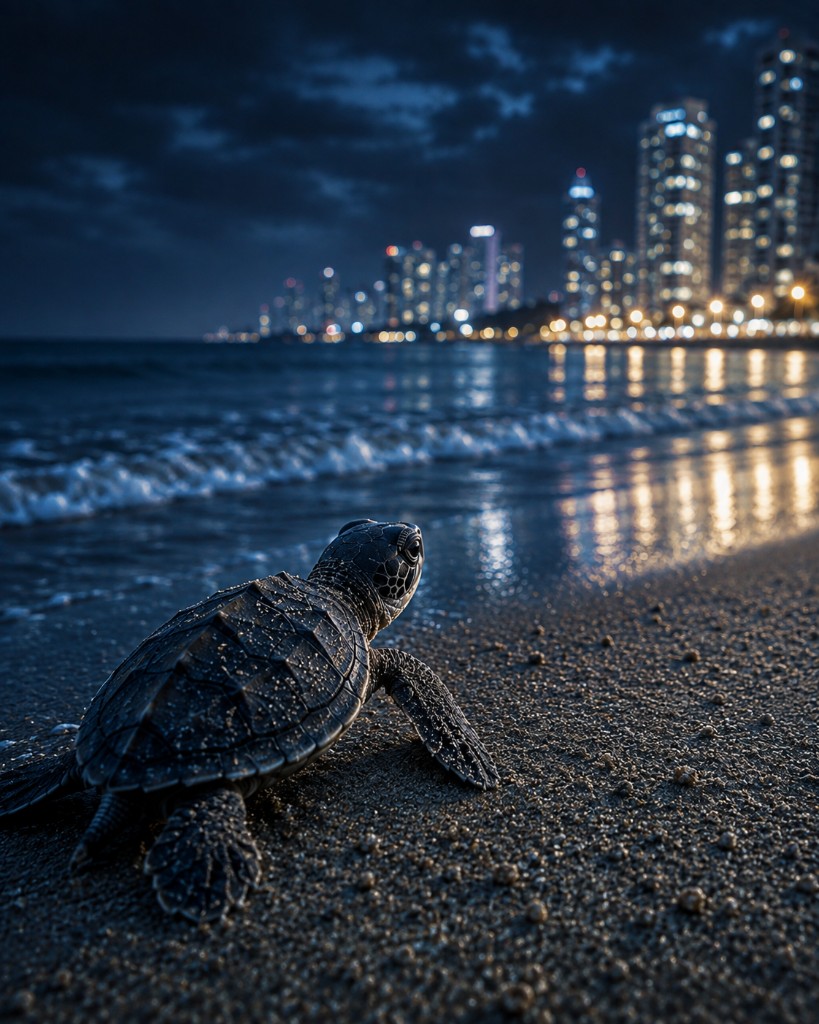
Wildlife · Coasts
Hatchlings crawl toward the brightest horizon. On a natural beach that means the moonlit sea. Artificial lights from streets, resorts, and shorefront buildings flip that cue babies turn inland instead of seaward, where they die from exhaustion, dehydration, predators, or traffic.
An NDTV report documented 55 baby turtles dying on a Florida beach after lights pulled them away from the ocean. The same pattern threatens Olive Ridley hatchlings on India’s nesting coasts, including Rushikulya in Odisha which is why Save Darkness pushes turtle-safe, warm lighting.
55 hatchlings died after artificial lights led them inland Source: NDTV Feature
Wildlife · Skies
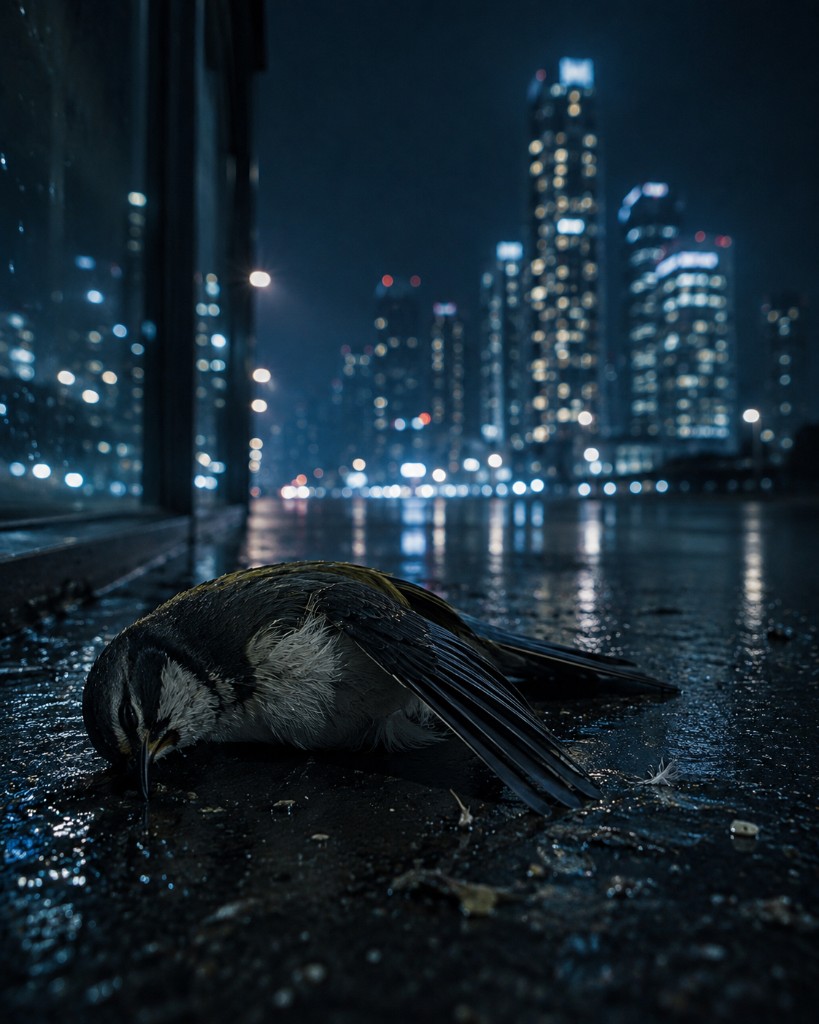
A global study of 583 species and tens of millions of bird songs found that artificial light at night stretches when birds are active by nearly an hour. Large-eyed species shifted the most singing earlier at dawn and later at dusk while small-eyed birds barely changed.
Scientists warn this disrupts migration, feeding, and breeding. In Indian cities, brightly lit glass towers also become collision traps. As The Hindu reports, unlike many environmental harms, light pollution can be reversed: shield lamps, dim boards, and switch lights off when they are not needed.
Birds stay active nearly 50 minutes longer under bright night skies Source: The Hindu
People · Roads
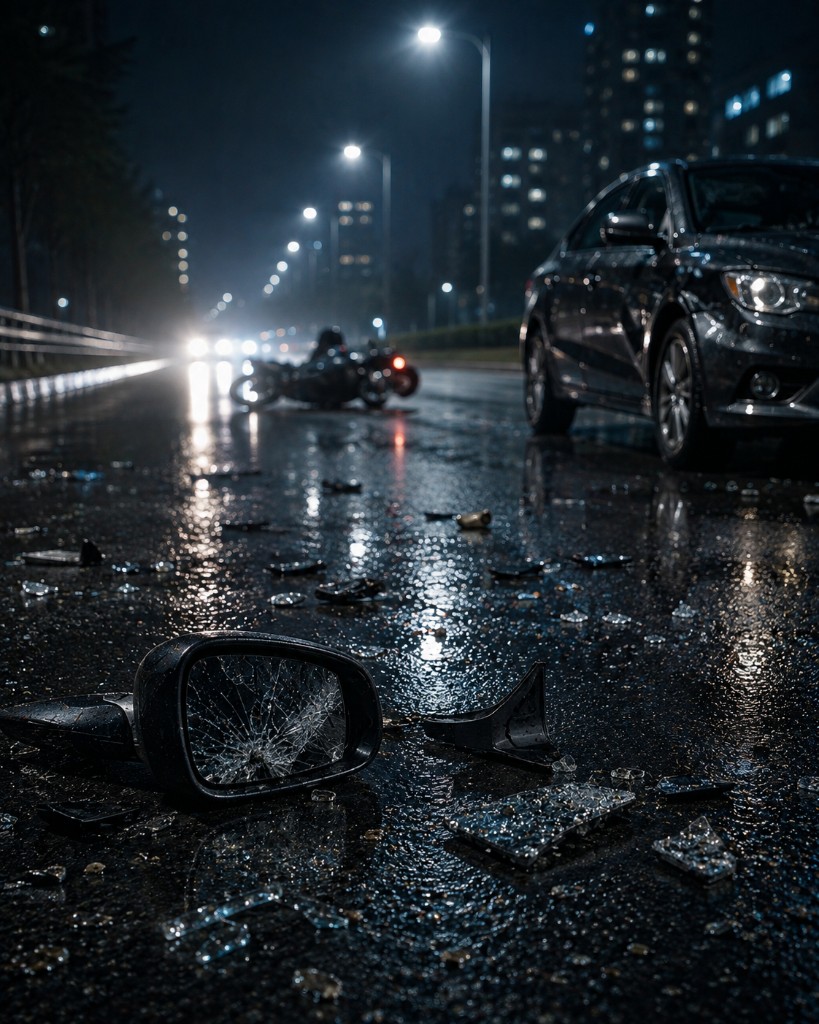
High-powered aftermarket LED headlights and fog lamps create glare that blinds oncoming drivers, riders, and pedestrians especially on flyovers and poorly lit stretches. Manufacturer lights follow safety standards; illegal upgrades often do not.
Bangalore Mirror reports that Bengaluru sees nearly 5,000 road accidents a year, and traffic police estimate about 10% are linked to unauthorised lighting modifications. Police have booked thousands of cases before and say enforcement is returning as the problem grows again. Responsible lighting saves wildlife and human lives.
1 in 10 Bengaluru crashes linked to illegal LED lights Source: Bangalore Mirror
Practical steps for better light not more light
At home · Work
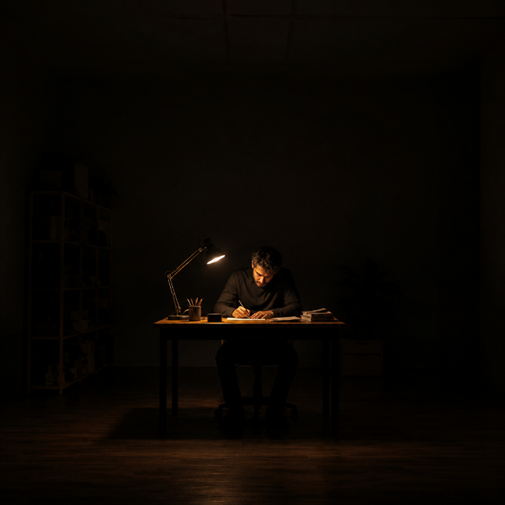
Light only the surface where work is happening a desk, a kitchen counter, a path underfoot not the whole room, yard, or sky.
Outdoors · Streets
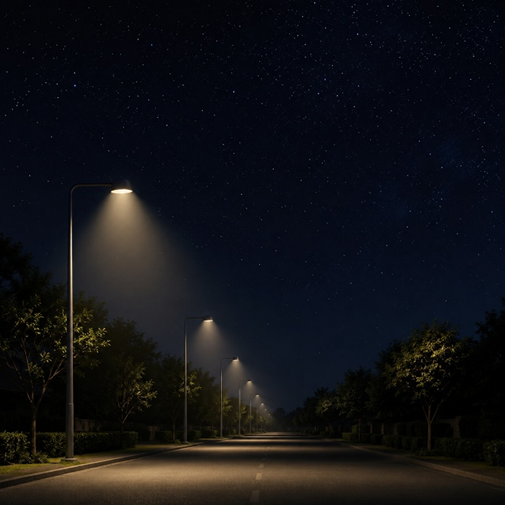
Prevent light from escaping upward into the night sky or sideways into neighbouring properties.
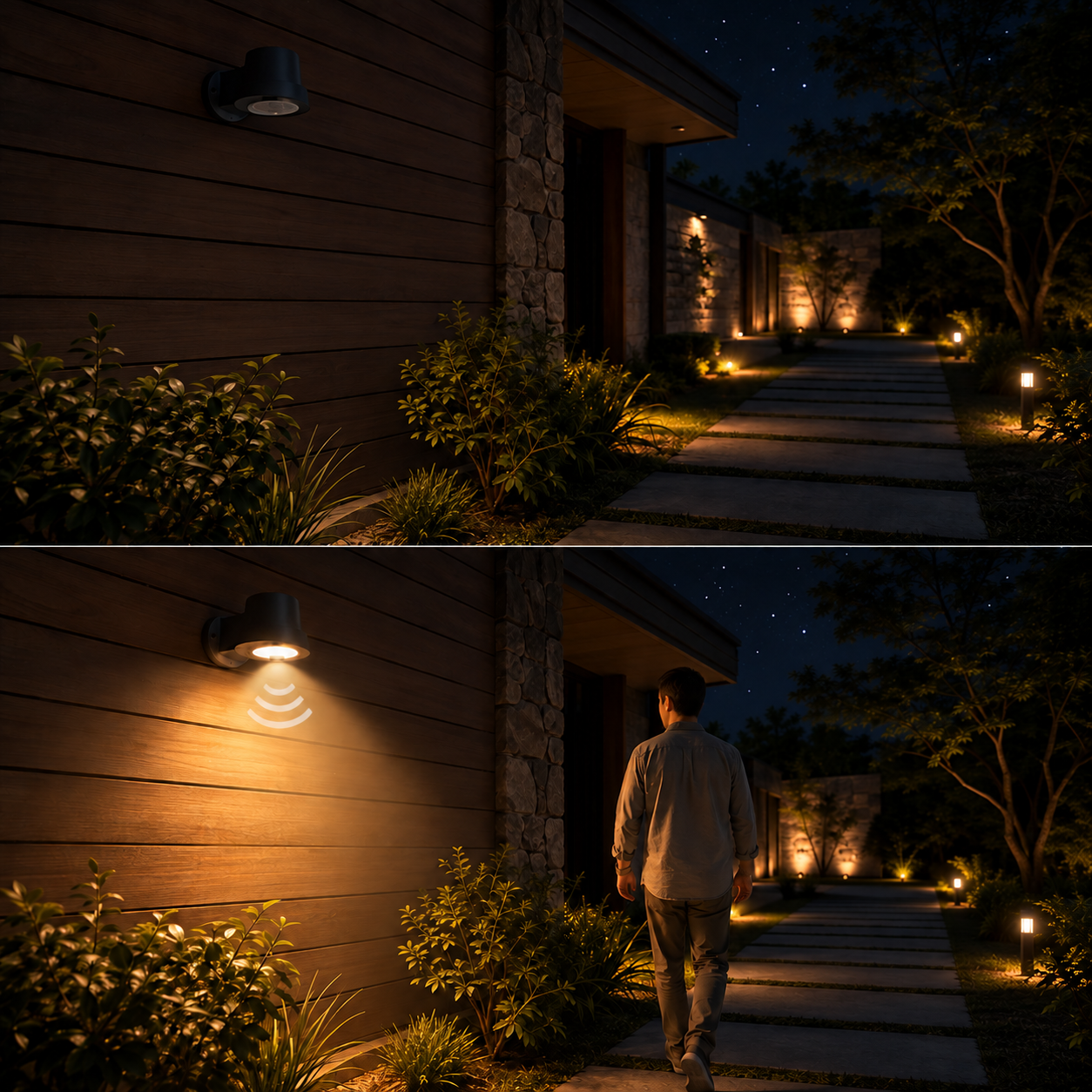
Controls · Timing
Use motion sensors, dusk-to-dawn controls, or timers so outdoor lights switch on only when needed.
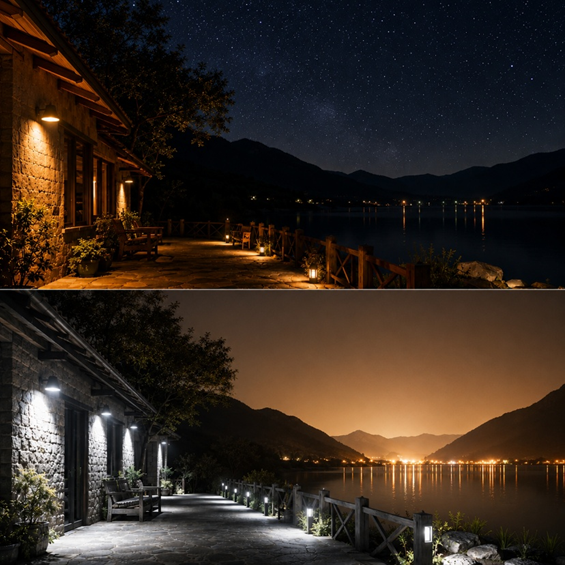
Brightness · Sky
Use the minimum brightness required for safety rather than over-illuminating a space.
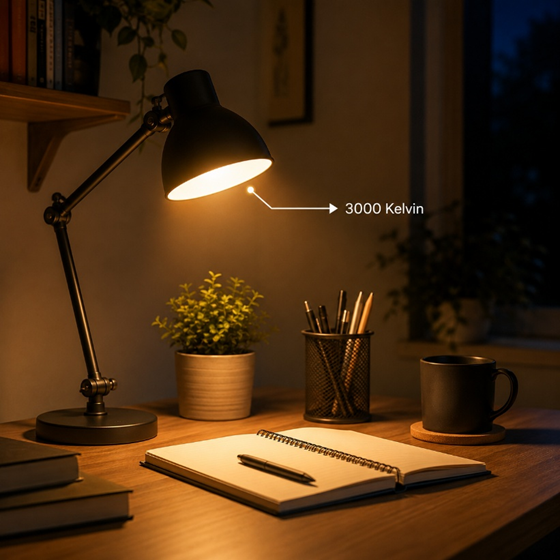
Colour · Spectrum
Choose LEDs with a CCT of 2700K to 3000K or lower — kinder to wildlife, sleep, and the night sky.
Measurable progress in the fight against light pollution
Active Volunteers
Communities Reached
Students Educated
Lighting rules that protect the night
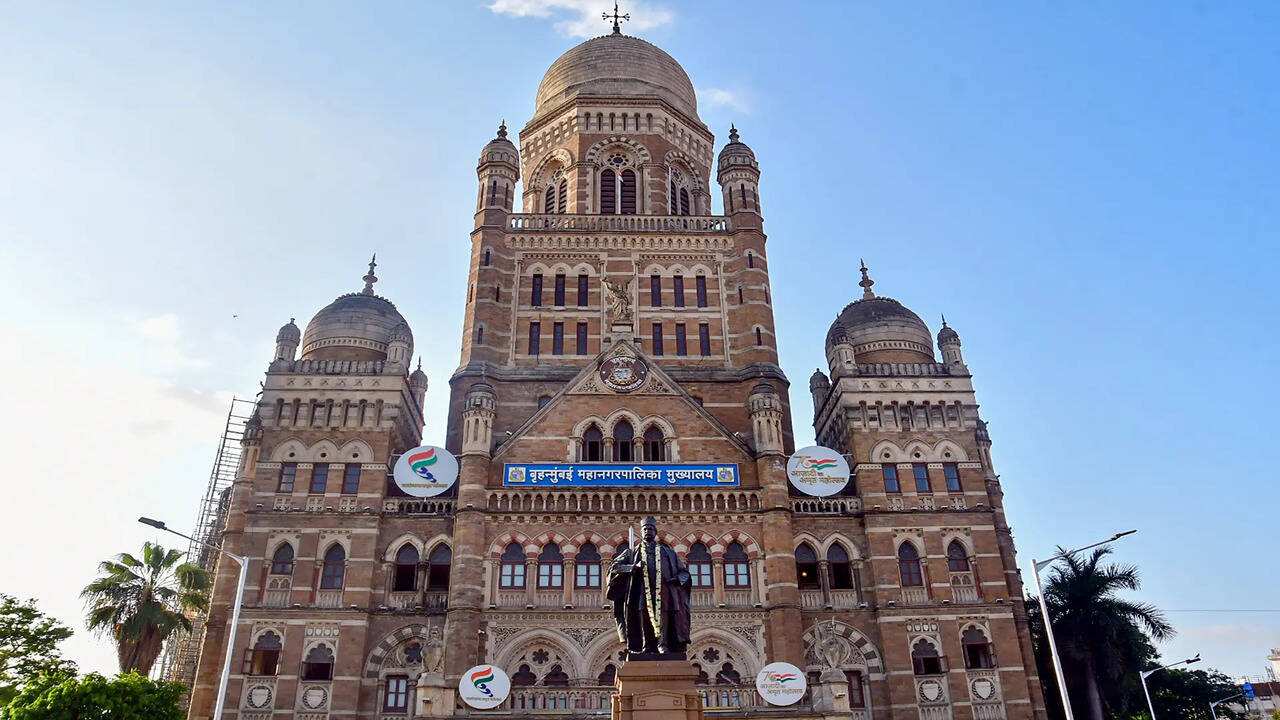
BMC · Digital hoardings
BMC’s draft hoarding policy moves to fully restrict video ads and require an eight-second gap between images, so flashing screens stop distracting drivers. The city also ordered existing digital boards switched off by 11pm.
Source: Times of India
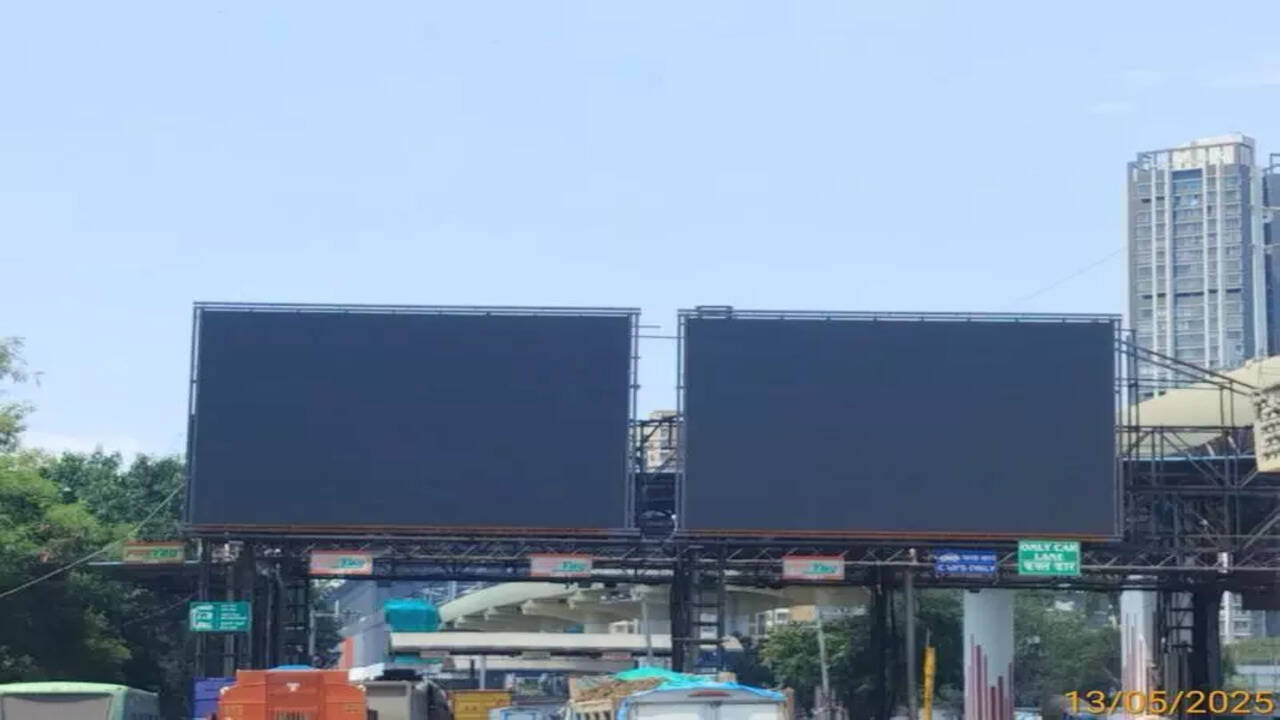
BMC · Outdoor ads 2025
The 2025 guidelines ban hoardings on footpaths and building terraces, cap size at 40 ft × 40 ft, set a luminance ratio of 3:1, and ban flickering displays — cutting glare and visual pollution across Mumbai.
Source: Times of India
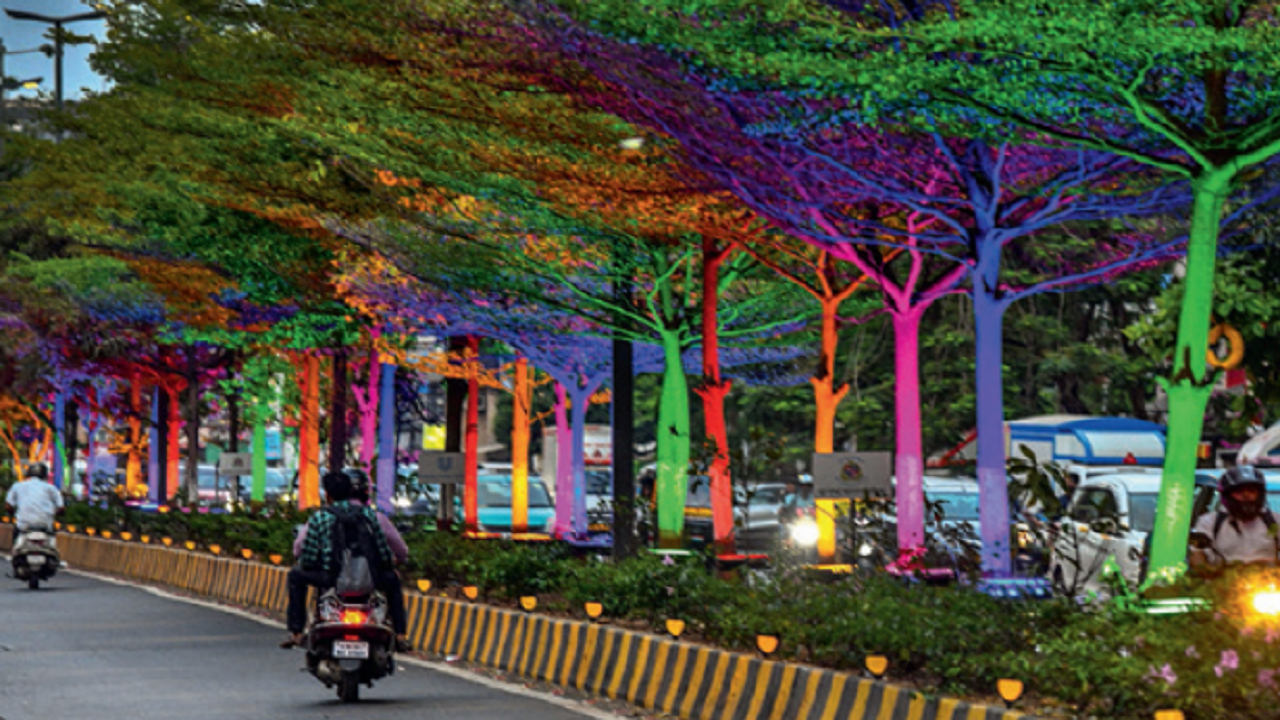
Tree Act · Wildlife
A legal notice asked BMC to remove lights and wires draped around trees for “beautification.” The practice harms tree health, disrupts nesting birds and migrants, and keeps nearby residents awake. Action can follow under the Tree Act.
Source: Times of India
Milestones in protecting India’s night
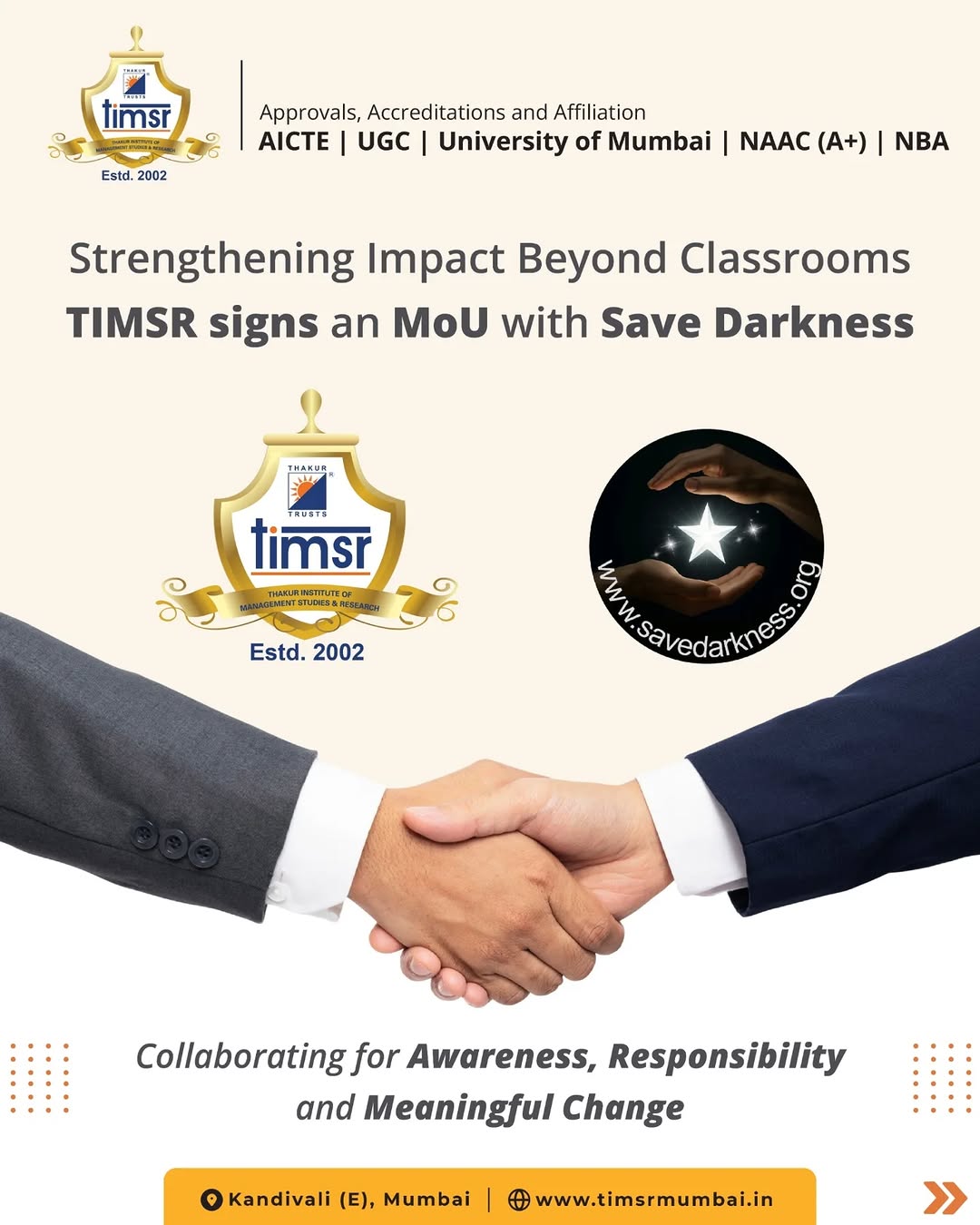
Partnership · Education
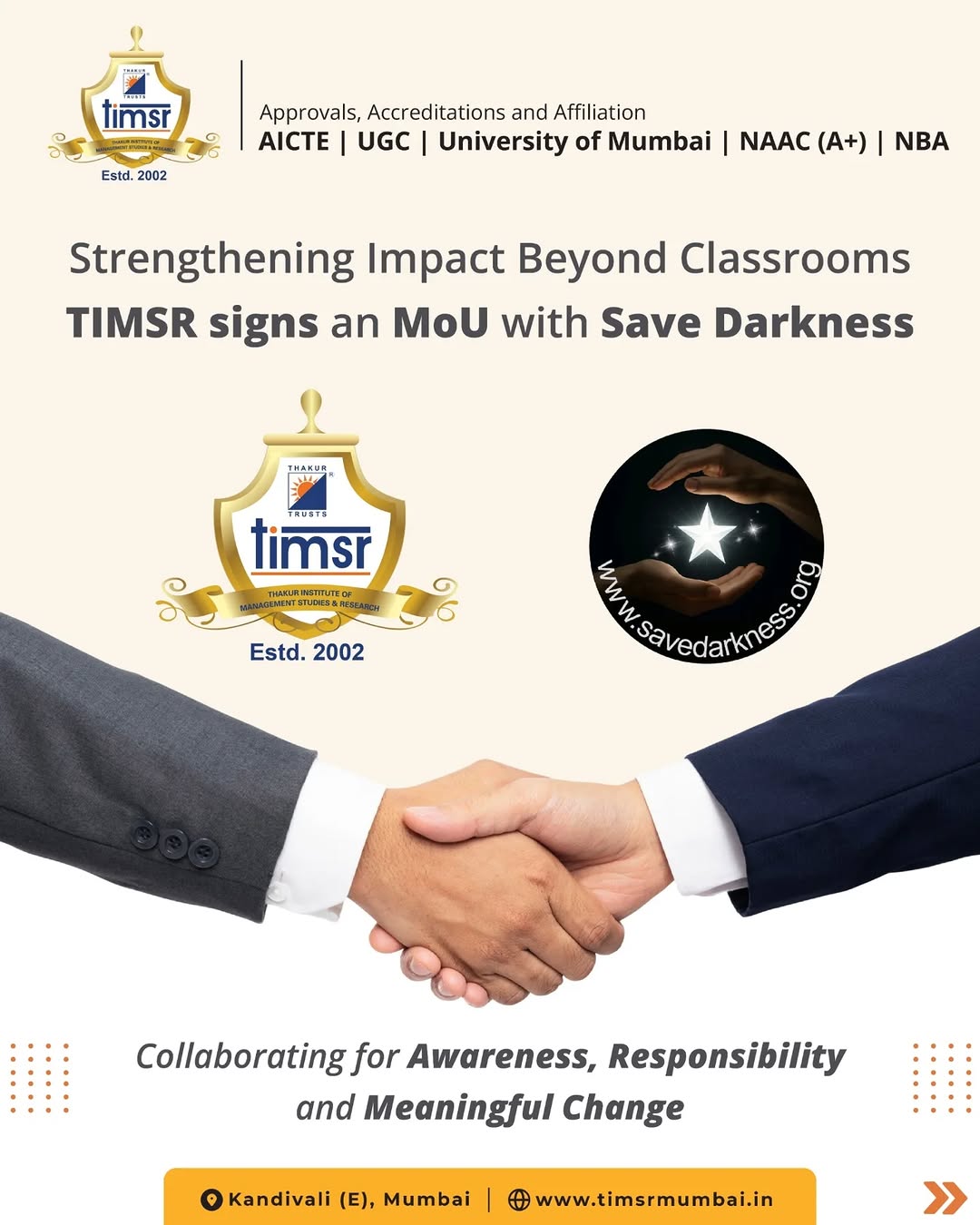
Signed an MoU with Thakur Institute of Management Studies and Research to advance awareness, research partnerships, and student engagement on light pollution.
View on Instagram
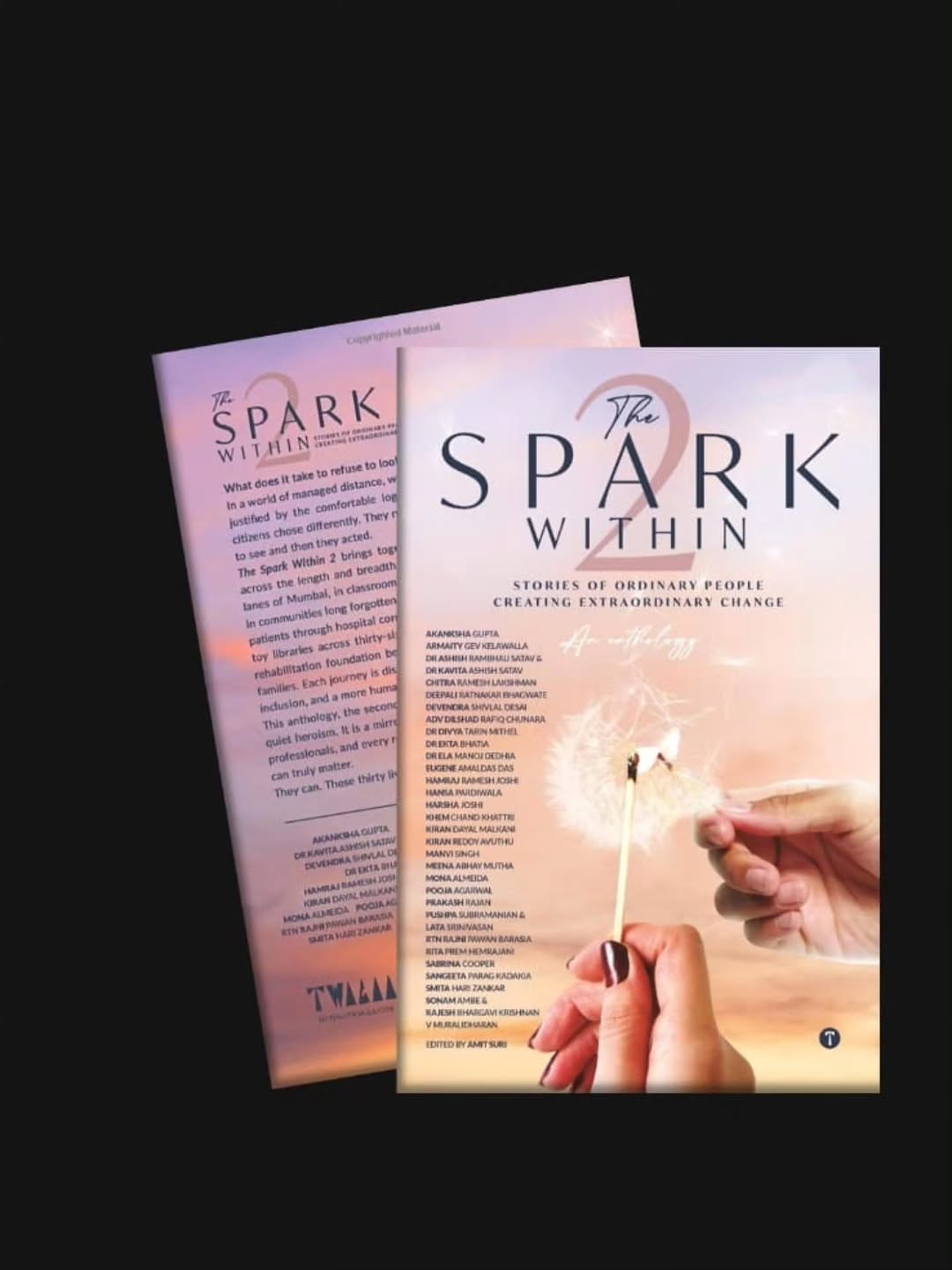
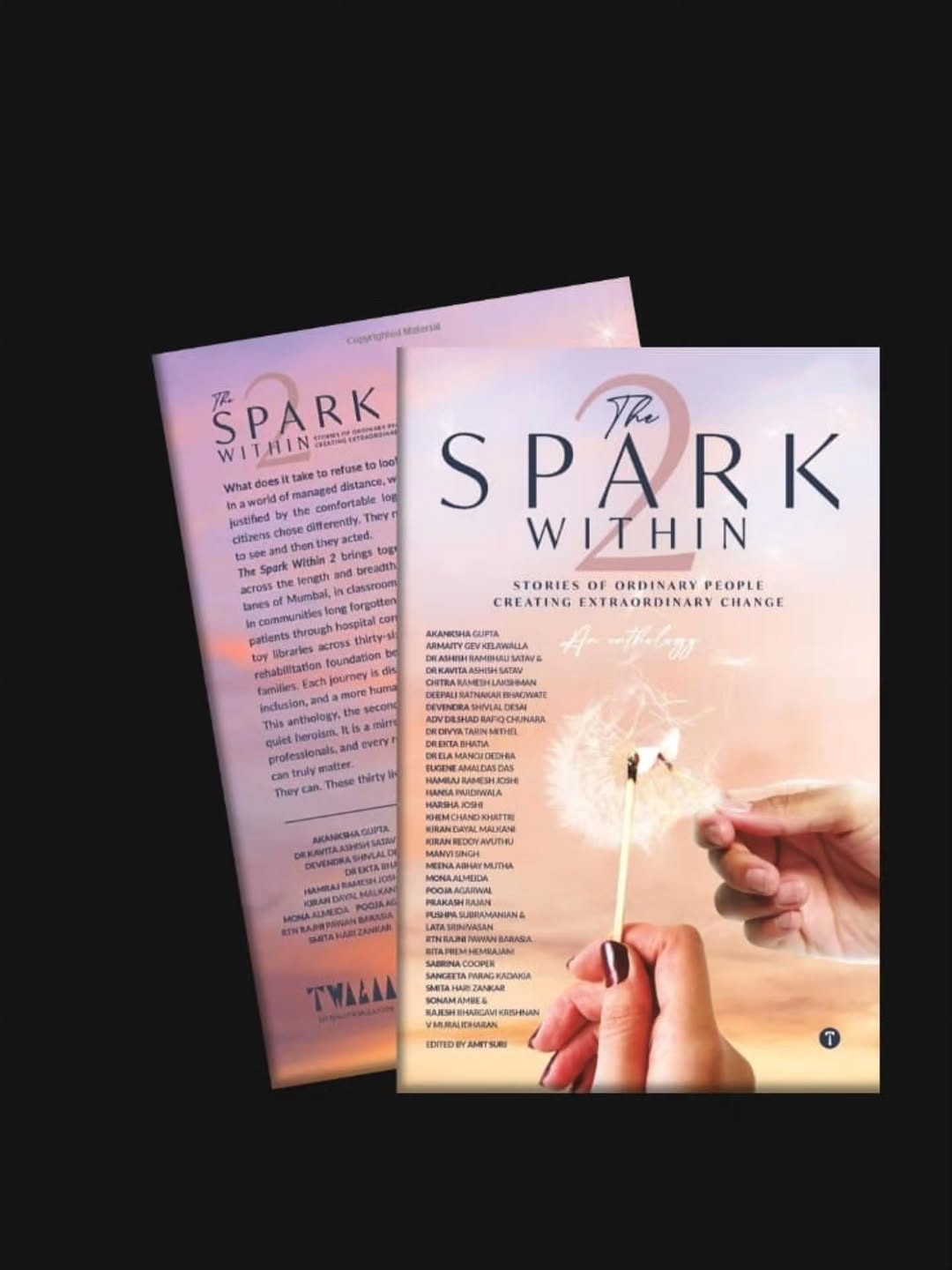
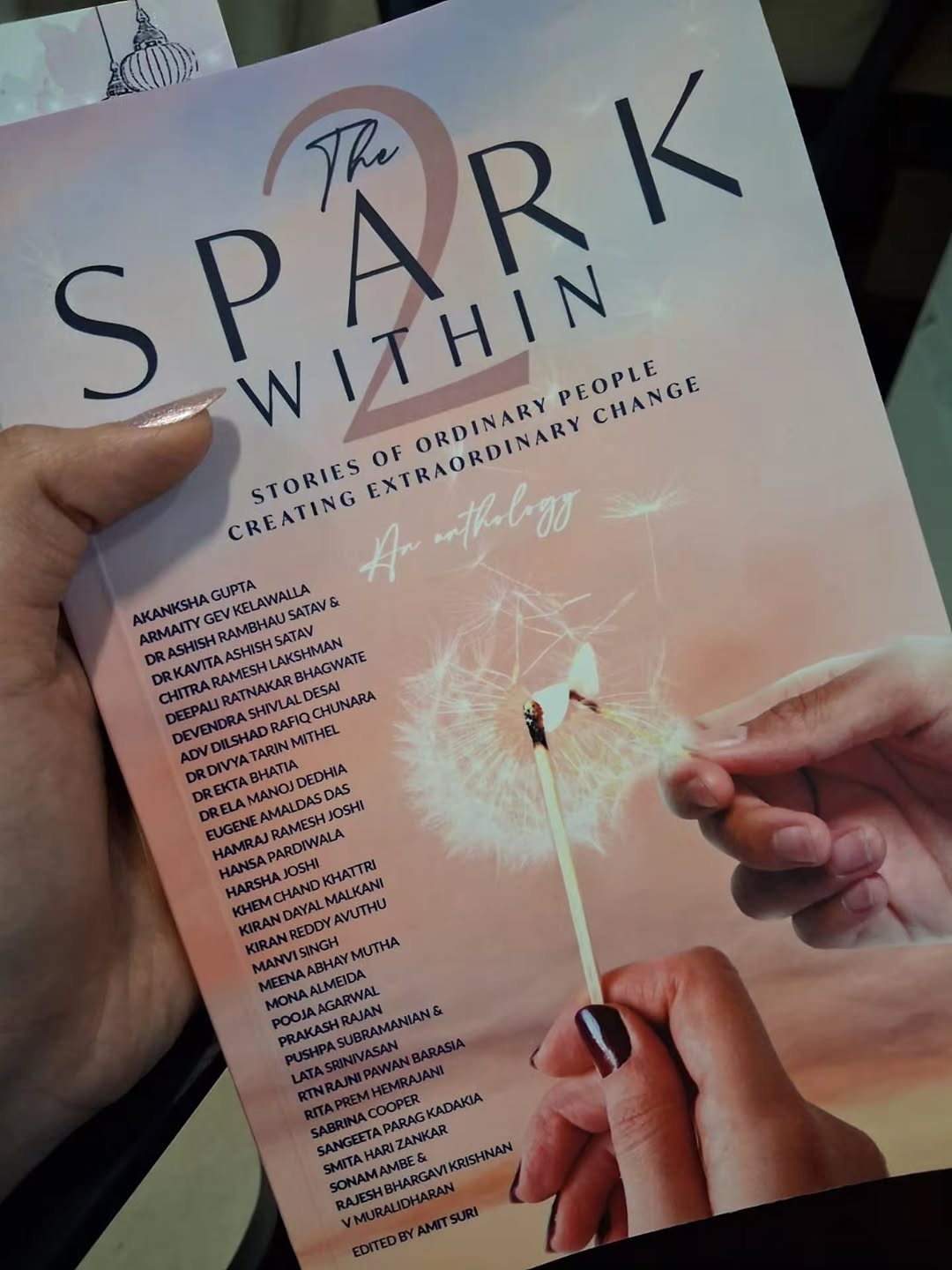
Publication · Voices
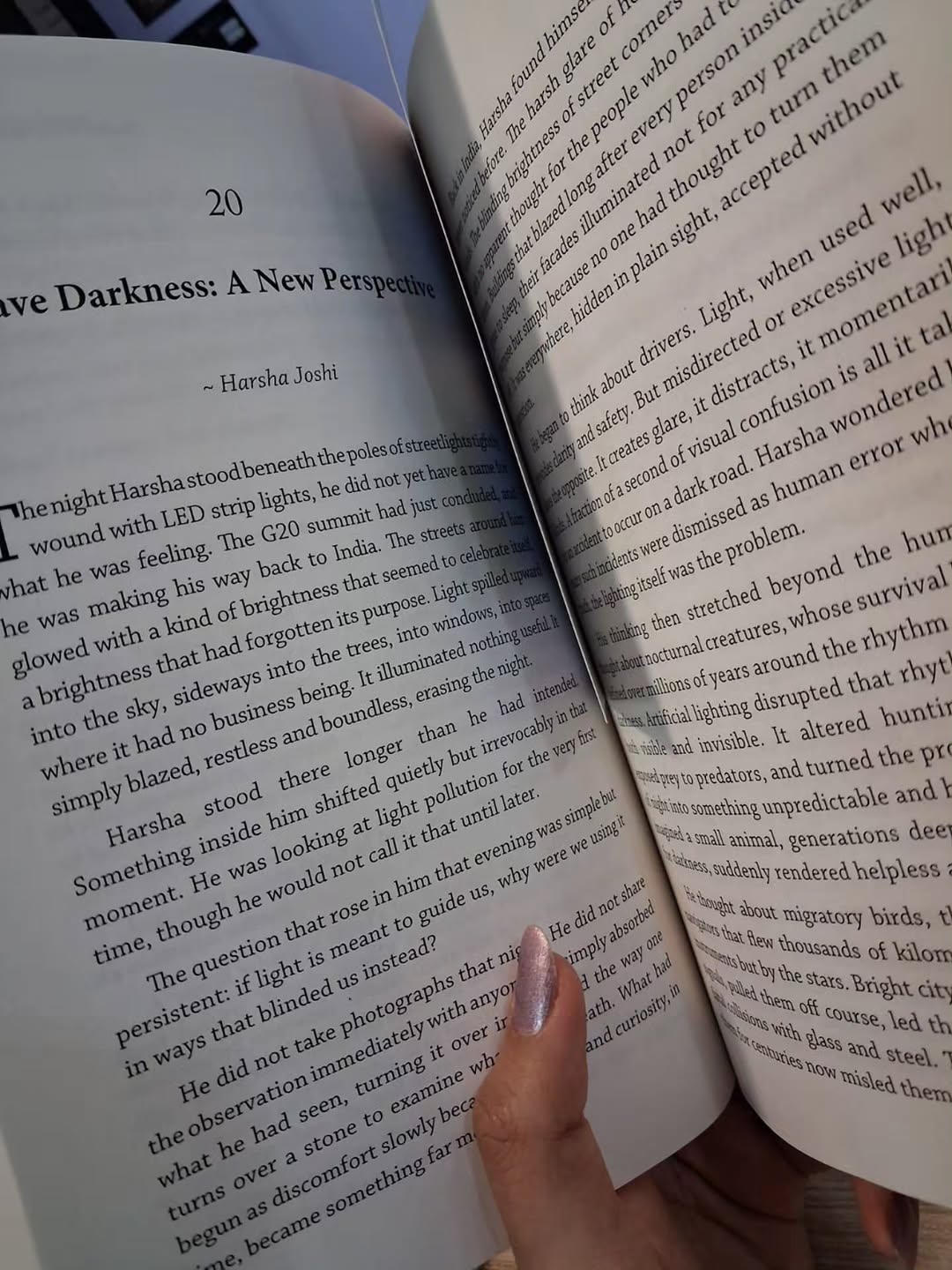
Published an anthology with TWAGAA — stories and voices that keep the night-sky conversation alive for readers, students, and dark-sky advocates.
View on Instagram
Events, stories & moments from the dark-sky movement
Volunteers
Our volunteers map hotspots, educate communities, and help retrofit harmful lights—so wildlife can navigate and people can sleep under darker, healthier skies.
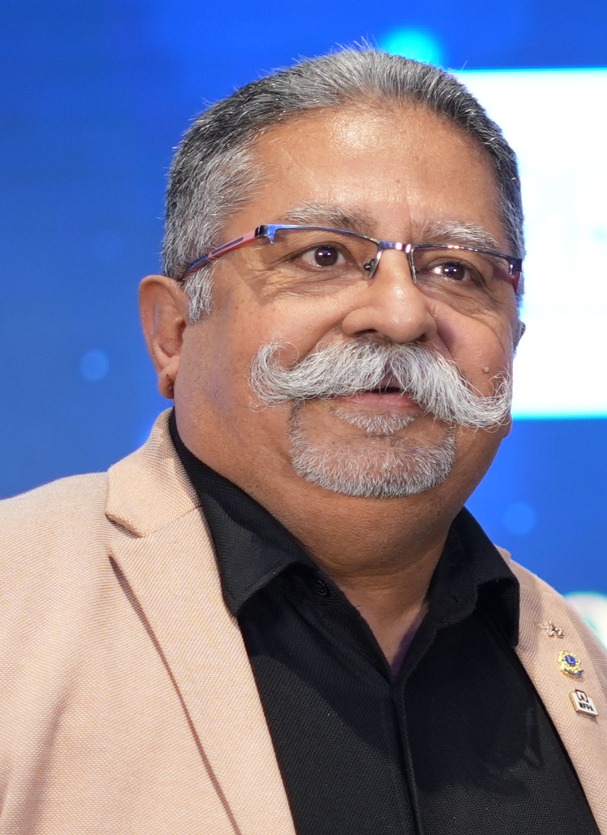
Founder
Founder of Save Darkness. Inspired to act after seeing excessive lighting erase...
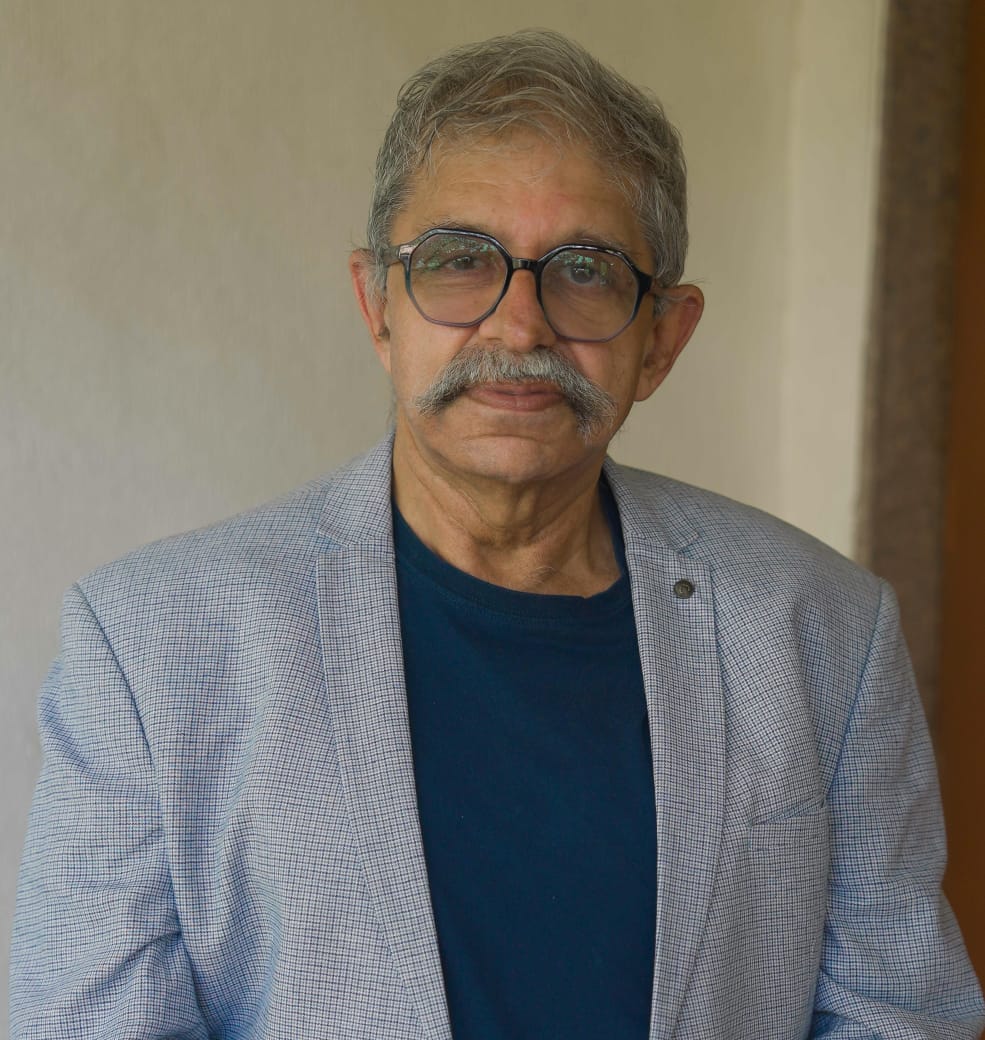
Co-Founder
Co-Founder of Save Darkness. Leads community engagement and field operations tha...
Advisors
Our advisors bring strategic clarity, networks, and experience that accelerate impact.
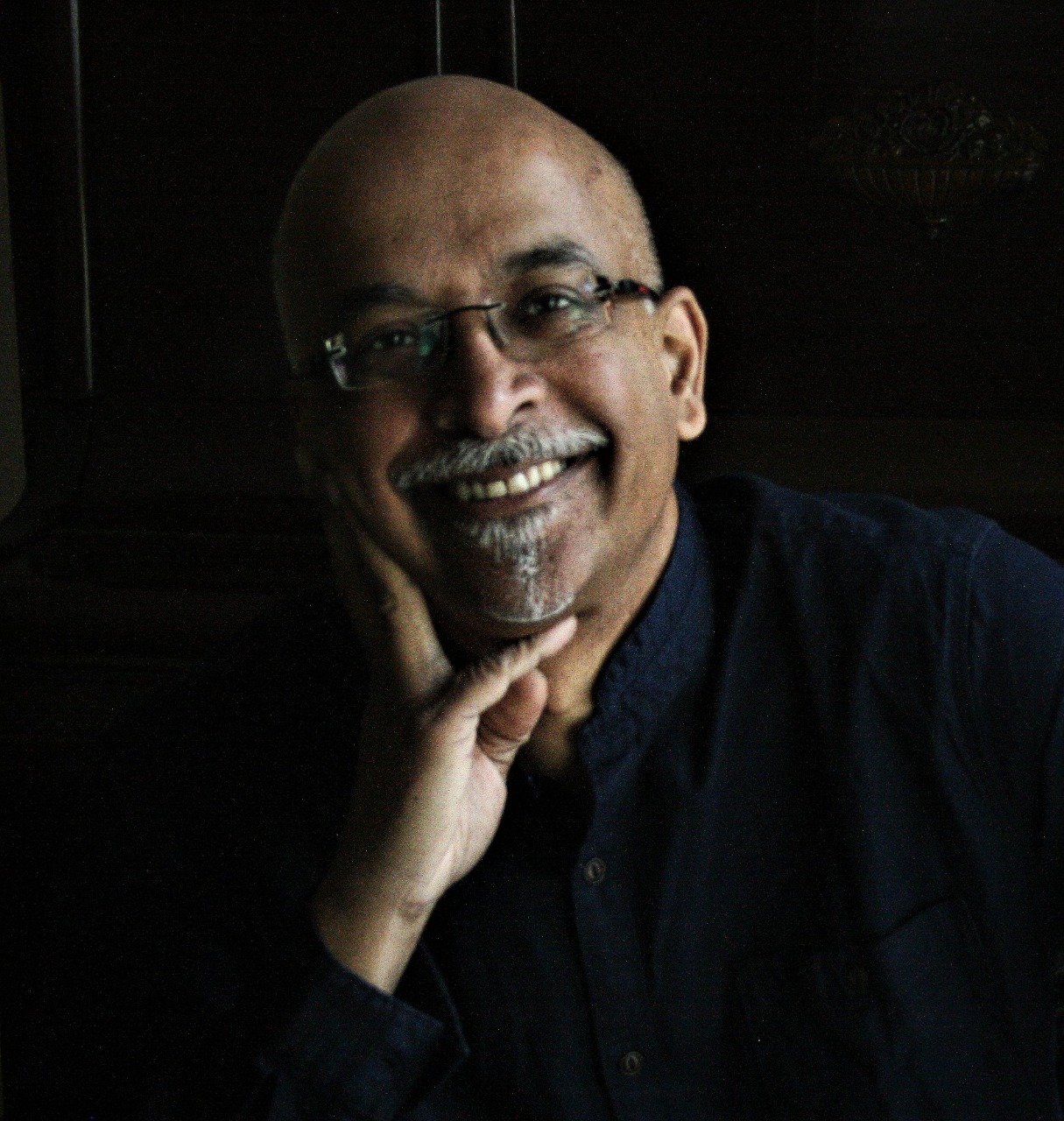
Advisor
BE MA IALD CLD IES LiDAI Partner M/S. Linus Lopez Lighting Design Consultant.

Advisor
Founder & Principal Designer Da Light Hub. Ambassador Women in Lighting India (W...
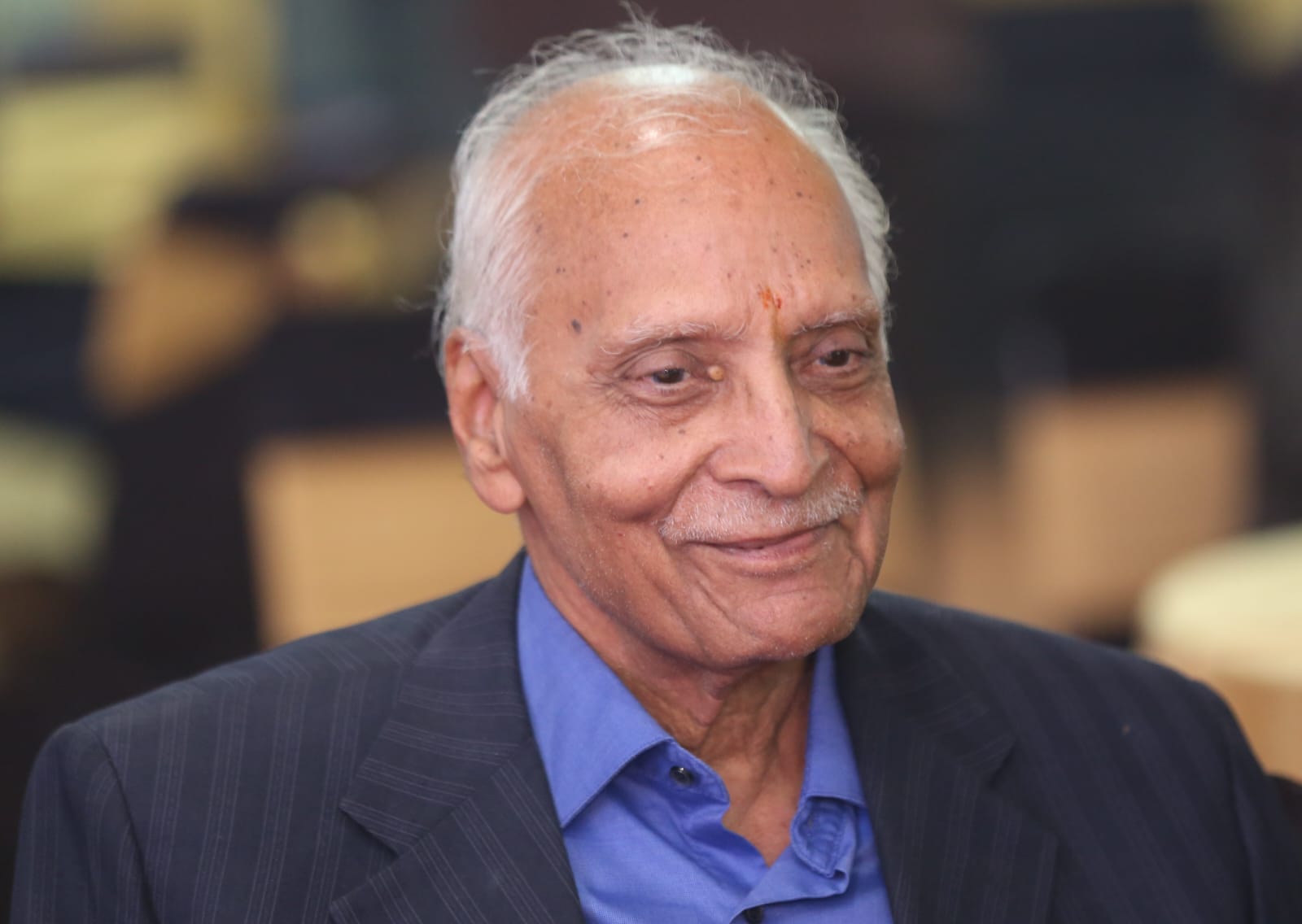
Advisor
GB Member & Director Education & Training, Indian Society of Lighting Engineers...
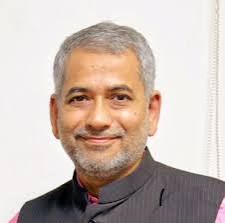
Advisor
Pro Vice Chancellor, MIT WPU University, Pune.
Supporters
These supporters amplify our cause—through resources, advocacy, and hands-on help.
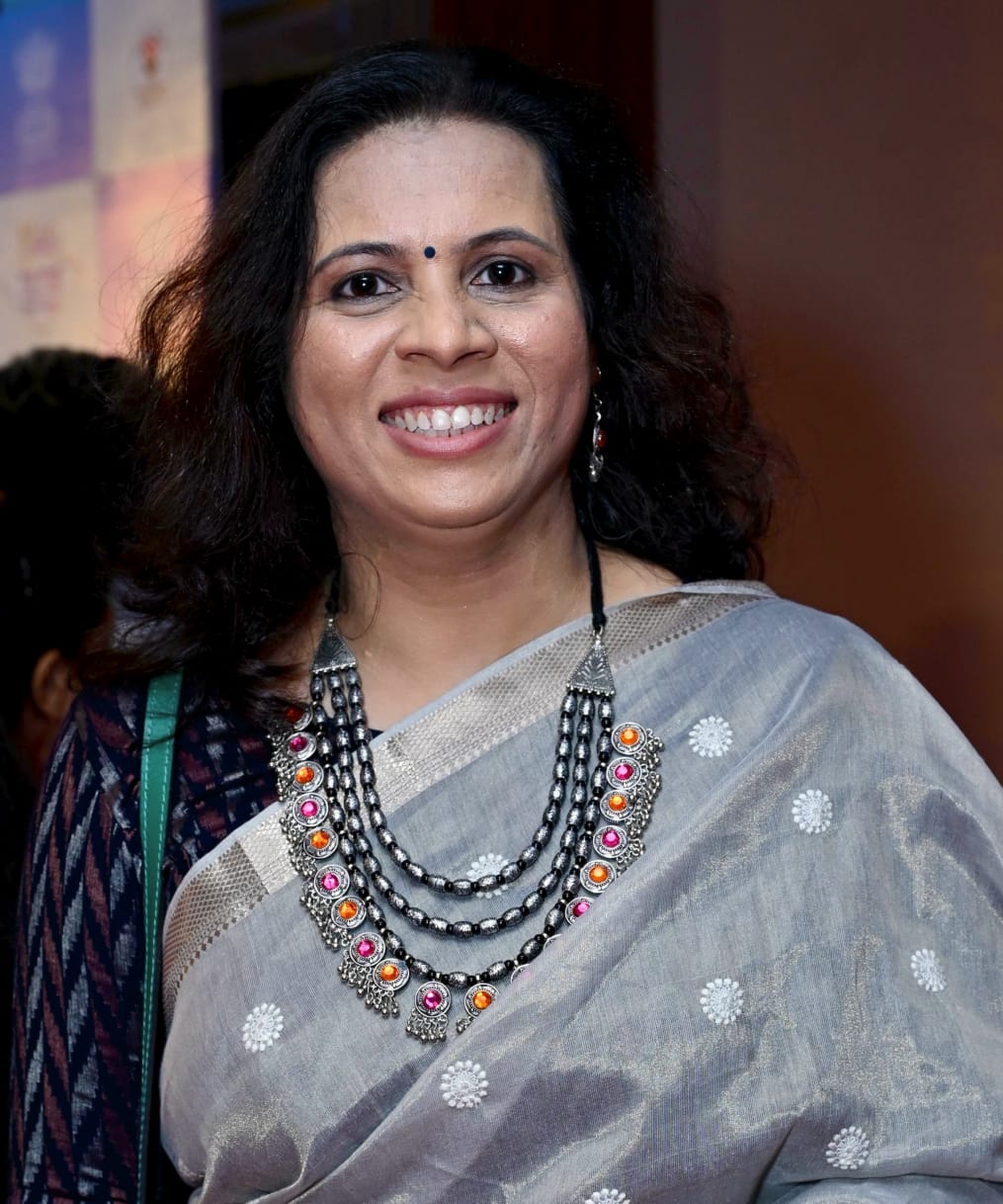
Supporter
TEDx Speaker, Gender Activist.

Supporter
Past President of ISHRAE, Pune. Hon. Secretary ISLE Mumbai. Mechanical Engineer.

Supporter
Founder and CEO of Leap Info Systems Pvt. Ltd., a Niagara Developer Partner.

Supporter
Lighting Designer & Consultant. Founder & Director, Lighting Concepts Pvt Ltd.,...
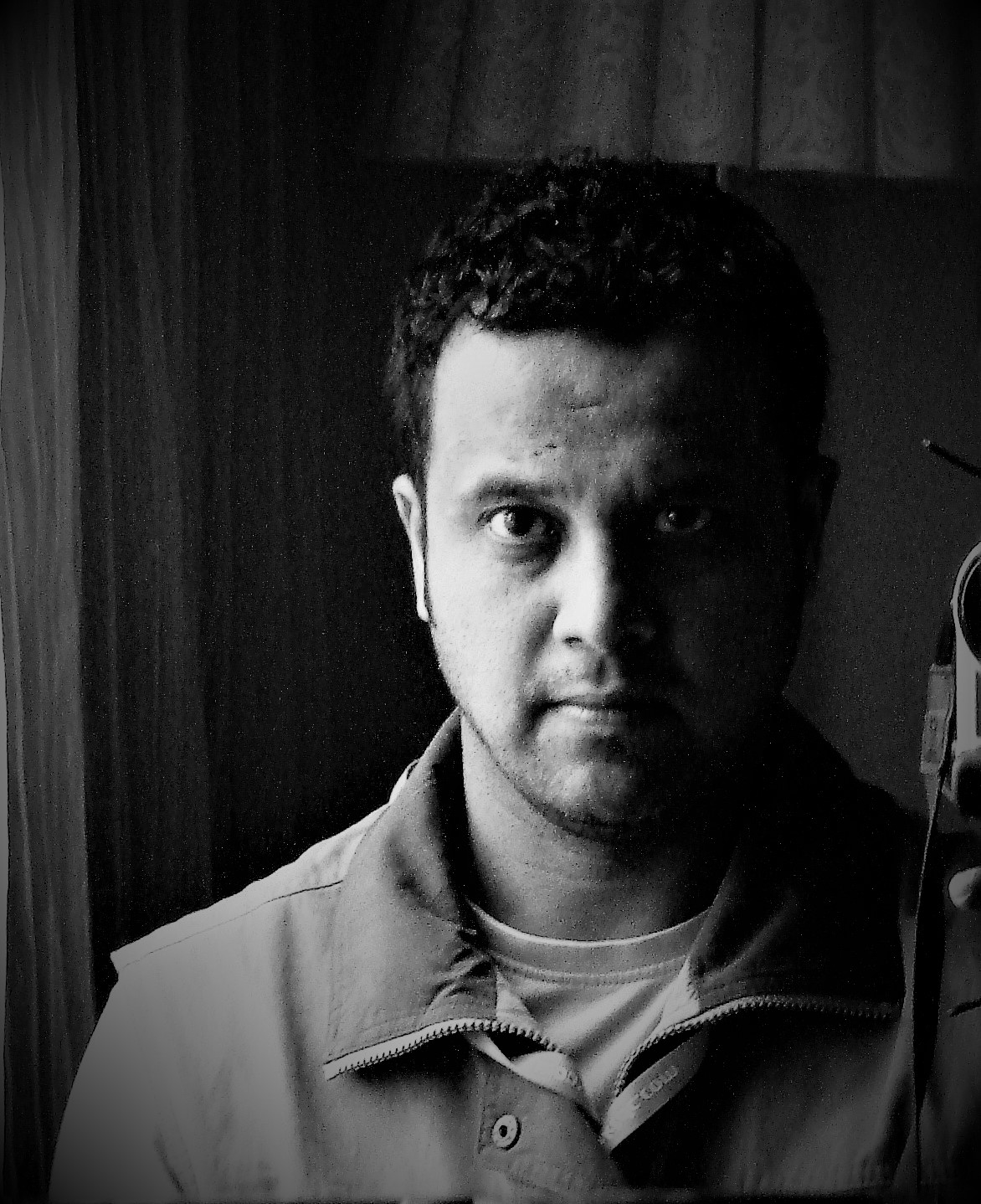
Supporter
Beuno Design Studio, Pune In Search of Shadows.
Voices from our community of dark sky advocates
Working with Save Darkness on our municipal lighting audit was an eye-opening experience. We discovered that nearly 40% of our street lighting energy was being wasted on unshielded fixtures that threw light upward and sideways. After implementing their recommendations — replacing old fixtures with full-cutoff LEDs and adding dimming schedules for low-traffic hours — we reduced our lighting energy costs by 35% while actually improving road visibility and resident safety. Save Darkness proved that responsible lighting is not about less light, but about better light. Every municipality in India should undertake this exercise.
I have been teaching environmental science for over 15 years, but it was not until I attended a Save Darkness star walk that I truly understood the depth of the light pollution crisis. Their Dark Sky School Program is exceptional — the curriculum is scientifically rigorous yet engaging enough to captivate students from primary school through college. I have seen students who participated in their workshops go on to conduct their own light pollution surveys in their neighborhoods. Save Darkness is creating a generation of environmentally conscious citizens who understand that protecting the night sky is as important as protecting our forests and oceans.
Our research on the Odisha coast has documented the severe impact of artificial lighting on Olive Ridley turtle nesting behavior. Hatchlings that should be heading toward the ocean are instead drawn inland by bright coastal lights, resulting in significant mortality. The Save Darkness Turtle-Safe Coast initiative has been a model intervention — they worked patiently with local communities, replacing harmful lights with amber-filtered alternatives and demonstrating that human safety needs and wildlife protection are not in conflict. The data from their intervention sites shows a measurable improvement in hatchling orientation success rates. This is the kind of practical, community-driven conservation that India desperately needs.
We'd love to hear from you
Tell us how we can help protect the night.