
5 Simple Ways to Reduce Light Pollution at Home
When people hear "fight light pollution," they often imagine living in darkness. Nothing could be further from the truth. Responsible lighting is about using the right amount of light, in the right place, at the right time, with the right color. It is about better light, not less light.
Here are five simple, affordable steps every household can take to reduce light pollution while improving their quality of life and saving on electricity bills.
1. Shield Your Outdoor Lights
The single most impactful change you can make is to ensure that all outdoor lights on your property are fully shielded — meaning they direct light downward where it is needed, not upward into the sky or sideways into neighbors' windows.
Unshielded decorative lanterns and bare bulbs are the worst offenders. Replace them with fixtures that have solid tops and sides, allowing light to escape only downward. This one change can reduce your contribution to skyglow by 50% or more while actually improving the useful illumination on your property.
Quick tip: If you can see the bulb from the side or above, the fixture is not shielded properly.
2. Switch to Warm-Colored LEDs
Not all LEDs are equal when it comes to light pollution. Cool white and blue-rich LEDs (color temperatures above 4000K) scatter more in the atmosphere, creating worse skyglow than warmer alternatives. They also suppress melatonin production more effectively, disrupting your sleep.
Choose LED bulbs with a color temperature of 2700K or lower for all outdoor use and for indoor evening lighting. These warm-toned bulbs provide excellent visibility while being far less harmful to the environment, wildlife, and your health. Look for "warm white" or "soft white" labels.
3. Install Motion Sensors and Timers
Security lights that blaze all night are a massive source of wasted energy and light pollution. Studies have shown that motion-activated lights are actually more effective for security than always-on fixtures — a light that suddenly turns on draws attention to an intruder, while a constantly lit area provides consistent illumination for someone casing a property.
Install motion sensors on all outdoor security lights and set them to stay on for only 1-5 minutes after activation. For decorative or landscape lighting, use timers to turn them off by 10 PM. For indoor lights, make it a habit to turn off rooms you are not using.
4. Close Your Curtains at Night
Indoor light spilling through windows contributes significantly to the local light environment. This is especially impactful in apartment buildings and densely populated areas. Simply closing curtains or blinds after dark can reduce the light your home emits into the environment by up to 80%.
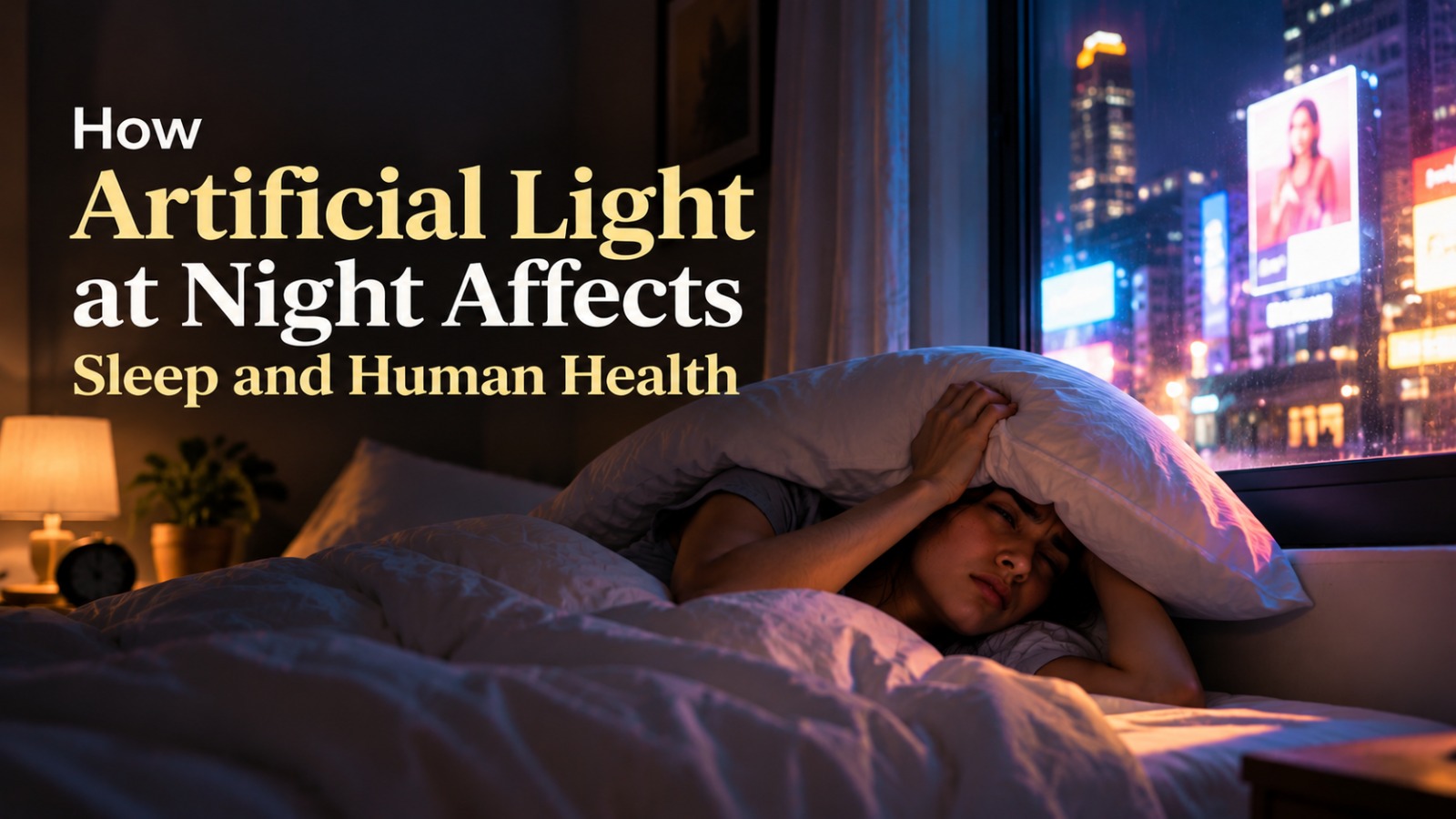
Bonus benefit: blackout curtains in bedrooms dramatically improve sleep quality by blocking incoming light from streetlights and neighbors, helping your body produce melatonin naturally.
5. Talk to Your Neighbors and Community
Light pollution is a collective problem that requires collective solutions. Share what you have learned with neighbors, housing society committees, and local authorities. Many people are simply unaware that their outdoor lighting is contributing to a problem — a friendly conversation can lead to meaningful change.
Practical approaches:
- Propose a "lights out" policy for common areas after midnight in your housing society
- Suggest replacing unshielded society lights with dark-sky-friendly fixtures — frame it as energy savings (which it is)
- Organize a neighborhood star walk — when people see what light pollution has taken from them, they are often motivated to act
- Contact your local municipal corporator about implementing responsible lighting standards for street lights
The Bottom Line
These five steps cost little or nothing to implement, they save energy and money, they improve your health and security, and they help preserve the night sky for wildlife and future generations. Responsible lighting is not sacrifice — it is an upgrade.
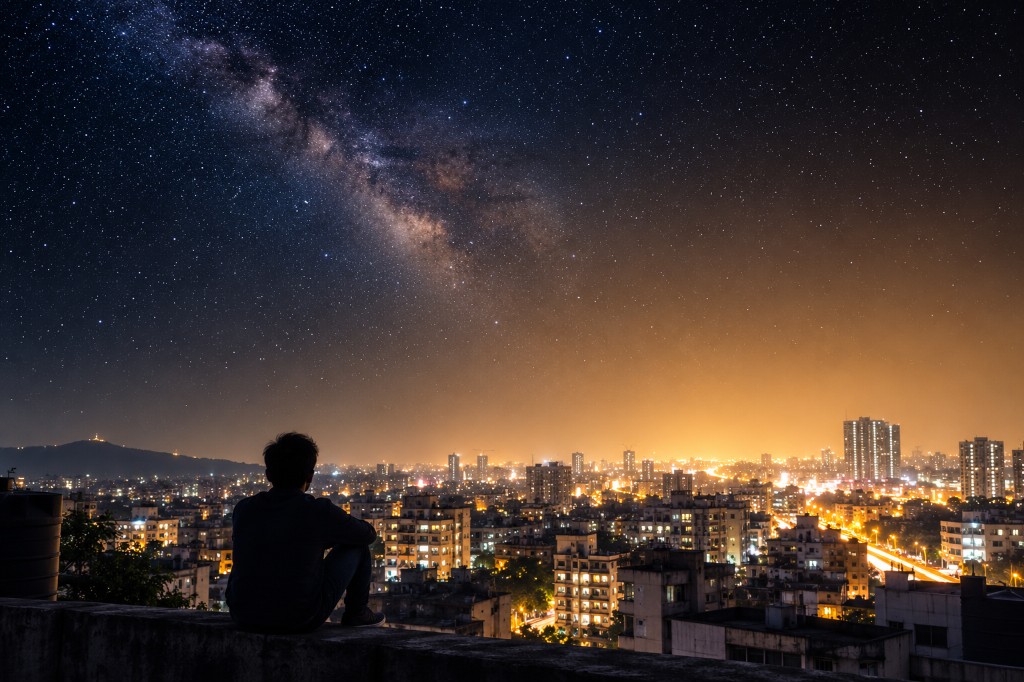
Start today. Turn off one unnecessary light tonight. And look up — you might be surprised by what you can see.